Walk by Faith, Not by Sight: A Biblical Call to Trust God (2 Cor 5:7)
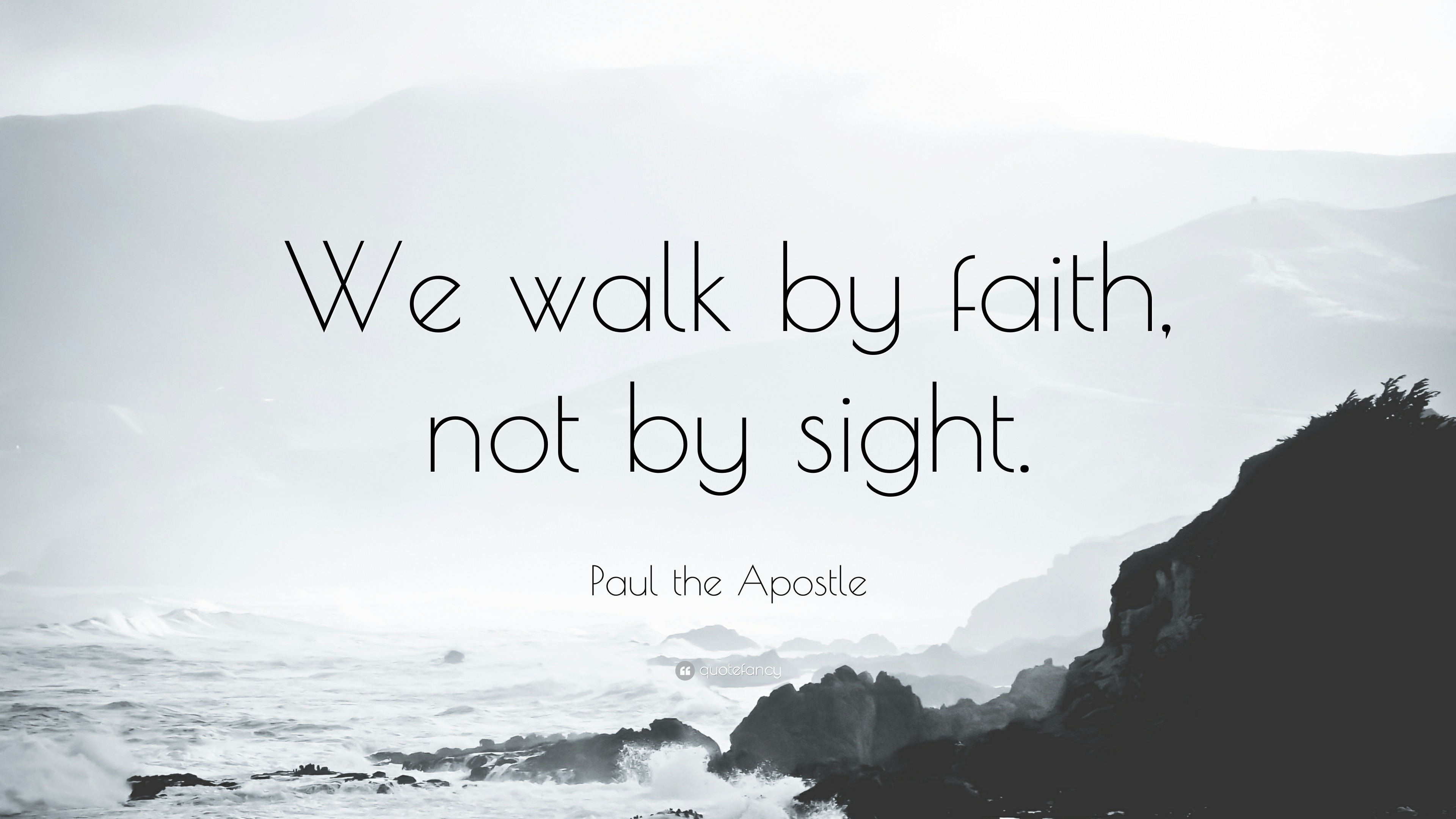
Walk by faith not by sight is one of the most repeated yet most challenging principles in the Christian life. These words, written by the Apostle Paul in (2 Corinthians 5:7), remind believers that following God often requires trusting Him beyond what is visible, logical, or comfortable.
In a world driven by evidence, certainty, and instant results, faith invites us into a deeper way of living—one anchored in God’s promises rather than our perceptions.
Understanding Faith Versus Sight
Sight represents what we can observe with our natural senses:
circumstances, obstacles, emotions, and outcomes. Faith, however, is spiritual vision. The Bible defines faith as assurance in what is hoped for and conviction in what is not seen.
Faith does not deny reality; it acknowledges a higher reality shaped by God’s character and sovereignty. Walking by faith means choosing to trust God’s Word over our feelings, His timing over our impatience, and His plans over our understanding.
Biblical faith is not wishful thinking or blind optimism. It is deeply rooted in who God is—faithful, unchanging, loving, and powerful. Throughout Scripture, God repeatedly demonstrates His trustworthiness.
He keeps His promises, provides for His people, and remains present even in suffering.
When believers walk by faith, not by sight that they are not claiming that life will be easy. Instead, they are declaring that God is dependable regardless of the outcome. Faith says, “Even if I don’t see the way forward, I trust the One who does.”
Biblical Examples of walk by Faith not by Sight
The Bible offers powerful examples of walk by faith, not by sight of individuals who chose faith when sight suggested failure or fear.
1.Abraham trusted God’s promise that he would become the father of many nations (Genesis 15:6), even though he and Sarah were advanced in age. From a human perspective, the promise seemed impossible. Yet Abraham believed God, and his faith was credited as righteousness.
2.Moses demonstrated faith when he led the Israelites out of Egypt. Standing before the Red Sea with Pharaoh’s army behind him, there was no visible escape (Exodus 14:21,22). But God made a way where none could be seen.
3.David, a young shepherd, faced Goliath with confidence, not in his size or strength but in God’s power. While others saw a giant, David saw an opportunity for God to be glorified. In the New Testament.
4.Peter walked on water when he fixed his eyes on Jesus. The moment he focused on the wind and waves, fear replaced faith, and he began to sink. This moment illustrates how quickly sight can overpower faith when our focus shifts from God to our circumstances.
The Danger of Living by Sight
Living by sight alone often leads to fear, anxiety, and discouragement. When we depend solely on what we see, problems can feel overwhelming, and hope can feel distant. Sight magnifies uncertainty, while faith magnifies God.
Walking by sight can also cause hesitation and disobedience. God often calls His people to step forward before everything falls into place. If Noah had waited to see rain before building the ark, or if Joshua had waited for logic before marching around Jericho, God’s plans would not have unfolded the same way.
Faith requires movement before clarity. It asks us to trust that obedience will lead to understanding, not the other way around.
How to Walk by Faith not by Sight in Everyday Life
Walking by faith, not by sight is not a single decision—it is a daily commitment. Here are practical ways believers can grow in faith rather than sight:
Immerse Yourself in God’s Word
Scripture strengthens faith by reminding us of God’s promises and faithfulness. The more we know God’s Word, the easier it becomes to trust Him.
Pray with Honesty and Expectation
Prayer aligns our hearts with God’s will and shifts our focus from problems to His power. Faith grows when we bring our fears to God instead of carrying them alone.
Choose Obedience Over Comfort
Faith often requires stepping outside of what feels safe. Obedience, even when it is uncomfortable, deepens trust and fosters spiritual maturity.
Trust God’s Timing
God’s delays are not denials. What we cannot see now may be part of a greater plan unfolding in His perfect time.
Surround Yourself with Faith-Filled Community
Encouragement from other believers helps sustain faith during seasons of doubt and uncertainty.
Walk by Faith not by Sight Produces Peace and Growth
Walking by faith does not mean a life without challenges, but it does offer peace that transcends circumstances. When believers trust God instead of what they see, they experience freedom from constant worry and fear. Faith builds perseverance, patience, and spiritual strength.
Often, what appears as a loss becomes preparation, and what feels like waiting becomes growth. God uses seasons of uncertainty to draw His people closer, teaching them to rely on Him rather than themselves.
Conclusion
To walk by faith, not by sight is to live with confidence in God’s promises even when the path ahead is unclear. It is choosing trust over fear, hope over doubt, and obedience over understanding.
Faith reminds us that while our vision is limited, God’s vision is complete. When believers walk by faith, they discover that God is already working ahead of them—making a way, shaping their character, and fulfilling His purpose in ways far greater than they could imagine.

Pingback: Having faith in god during uncertain timings, proverbs 3:5-6